What changes when someone actually sees your work for what it is.
Here's what most photography education looks like:
- You watch a video.
- You try to apply it.
- The result doesn't look the way you wanted. You don't know why.
- There's no one to ask. So you watch another video.
- The loop continues.
This mentorship is different.
Six weeks. Five photographers. Every week, you submit your work, and I go through it. I analyze your edit in detail, show you exactly what's working and what isn't, and record a personal video built entirely around your photos and the vision you had for them.
A mentorship built around you.


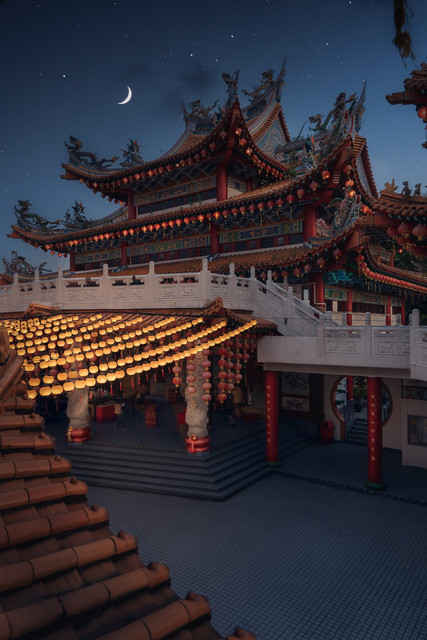
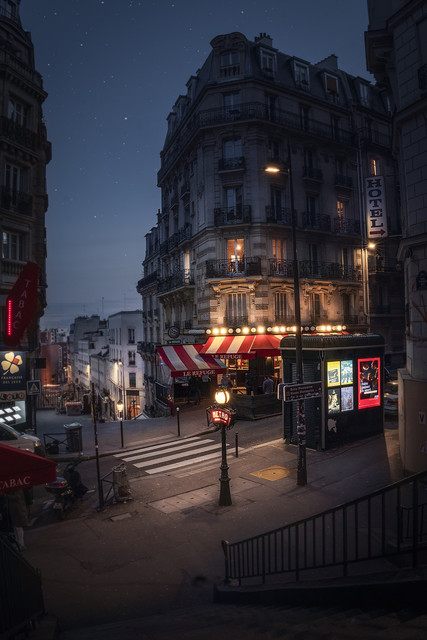

You've been editing for a while.
You know your way around Lightroom. Maybe Photoshop too. Some photos come out exactly the way you imagined. Most don't, and you can't explain the difference.
So you watch another tutorial. Try a new preset. Move the sliders again. You get a result that's okay, but it's not yours. It feels flat. Or boring. Like it could belong to anyone.
Most photographers skip a step that has nothing to do with technique or tools. It's the moment before you open any software where you stop and ask yourself: what feeling do I want this photo to convey? What do I want someone to feel when they look at it? What was I trying to recall, to share, when I pressed the shutter?
Most people skip this. They go straight to the sliders. Then they wonder why the result doesn't look the way it did in their head.
There's a second problem underneath that, one most people don't even realize exists.
You've never had someone actually go through your specific photos and tell you the truth. Not other photographers who nitpick technical details that nobody else notices. Not family who say it's beautiful because they love you. Someone who understands the craft, understands what you were trying to do, and tells you honestly: this is where you're strong, this is what's actually holding you back, and here's exactly what to do.
That person is almost impossible to find on your own. That's what this mentorship is built around.
Six weeks. Five photographers.
Each week has the same structure: lessons first, then application, then feedback.
You watch that week's lessons, structured and focused around one specific area of your photography. You apply what you learned to your own photos. Then you submit your work. Not a perfect photo, your actual work in progress. And I go through it.
That combination is what makes this work. The lessons give you the structure. The feedback is where everything becomes real, because it's applied to your actual photos, your vision, your specific weaknesses and strengths.
Before I say anything about your edit, I ask four questions: What's the story of this image? Where did you shoot it? Why? And what were you trying to do with the editing? Only once I understand what you were trying to convey do I give feedback. Because the goal is never to make your photos look like mine. It's to help you make them look the way you saw them when you pressed the shutter.
I've worked with students who came in convinced they were bad at color grading. They weren't. Color was their strength. Their real weakness was something else entirely. Most feedback would have agreed with their self-assessment and tried to fix the thing that wasn't broken. This doesn't.
The cap is five students at a time. Not as a marketing tactic. Because five is the number where I can genuinely go through every edit, respond to every question, and give every student the attention that makes the feedback worth something.
5 spots at a time · I'll reach out personally to confirm yours
"Before the mentorship, I used to struggle with colour grading. The feedback sessions were very informative — you pinpointed the flaws in my editing and your suggestions on how to improve were very inspiring. It was great to have you as a mentor."
Kiran"The opportunity to get individual feedback as you move through the mentorship to ensure you have applied the techniques correctly is probably the most beneficial of all. The honest critique. You can only improve if you're aware of what's not working — and as much as what is working."
Fiona"I loved the weekly feedback session — it's not something you find in other photo retouching courses. Lou shows that you can make a masterpiece from any of your photos!"
Daniel Turbasa"Thank you so much for your feedback and the detailed guidance — I really appreciate the time you took for the image review. Your feedback is incredibly valuable."
David RingelYou submit your work. I go through it.
You submit your work. I go through it, not a quick scan but a detailed analysis of your edit. I look at what you were trying to do, what's working and why, what isn't and why, and exactly what to focus on next.
Then I record a personal video: 20 to 40 minutes, specific to you, async. I don't just describe what I'd change. I show it in the software so you can see what it would actually look like in practice. You can hear my reasoning as I go through it. That's what makes it useful instead of just critical.
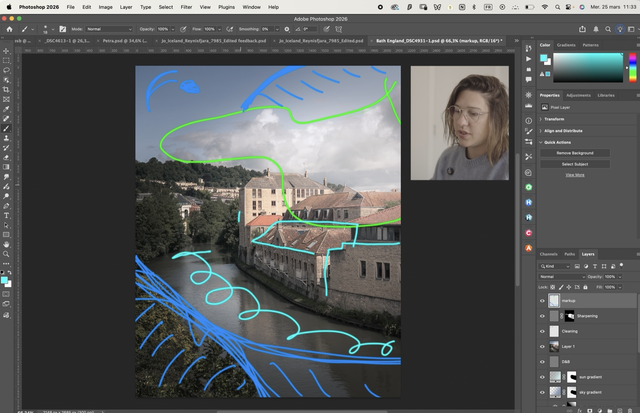
The feedback is honest. Not harsh, not vague. Honest. I'm not going to tell you everything is great when it isn't, because that doesn't help you move forward.
Because it's async, there are no time zones to work around and no scheduling. You submit when you're ready, you receive your feedback video when it's done, and you can rewatch it as many times as you need, because sometimes the second or third watch is where things actually click.
What actually changes.
 Before
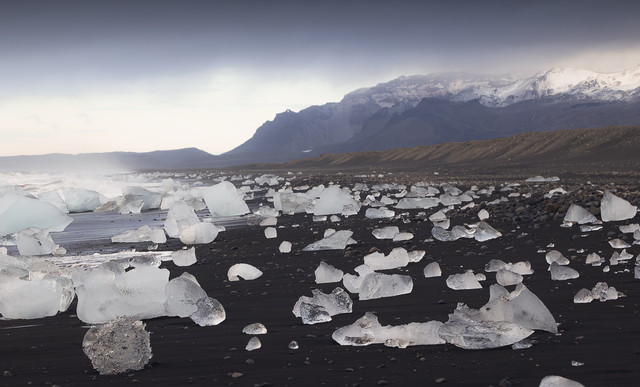 After
After
Jo, "In the past most of my editing was trial and error and based on instinct."
 Before
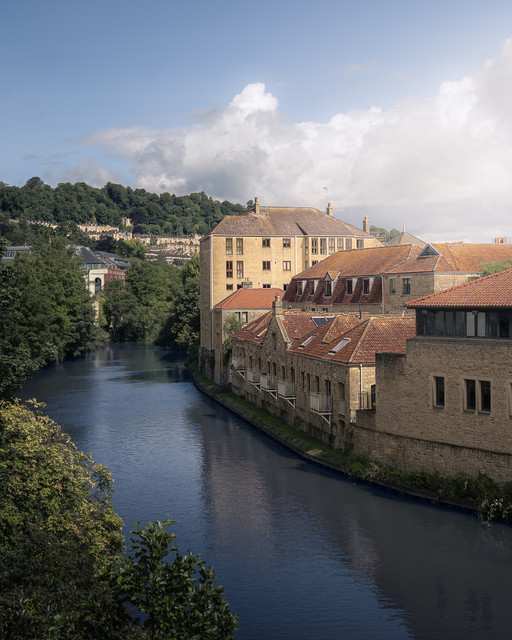 After
After
Fiona, "A hell of a lot closer than before, and I have a good process now to revisit and refine going forward."
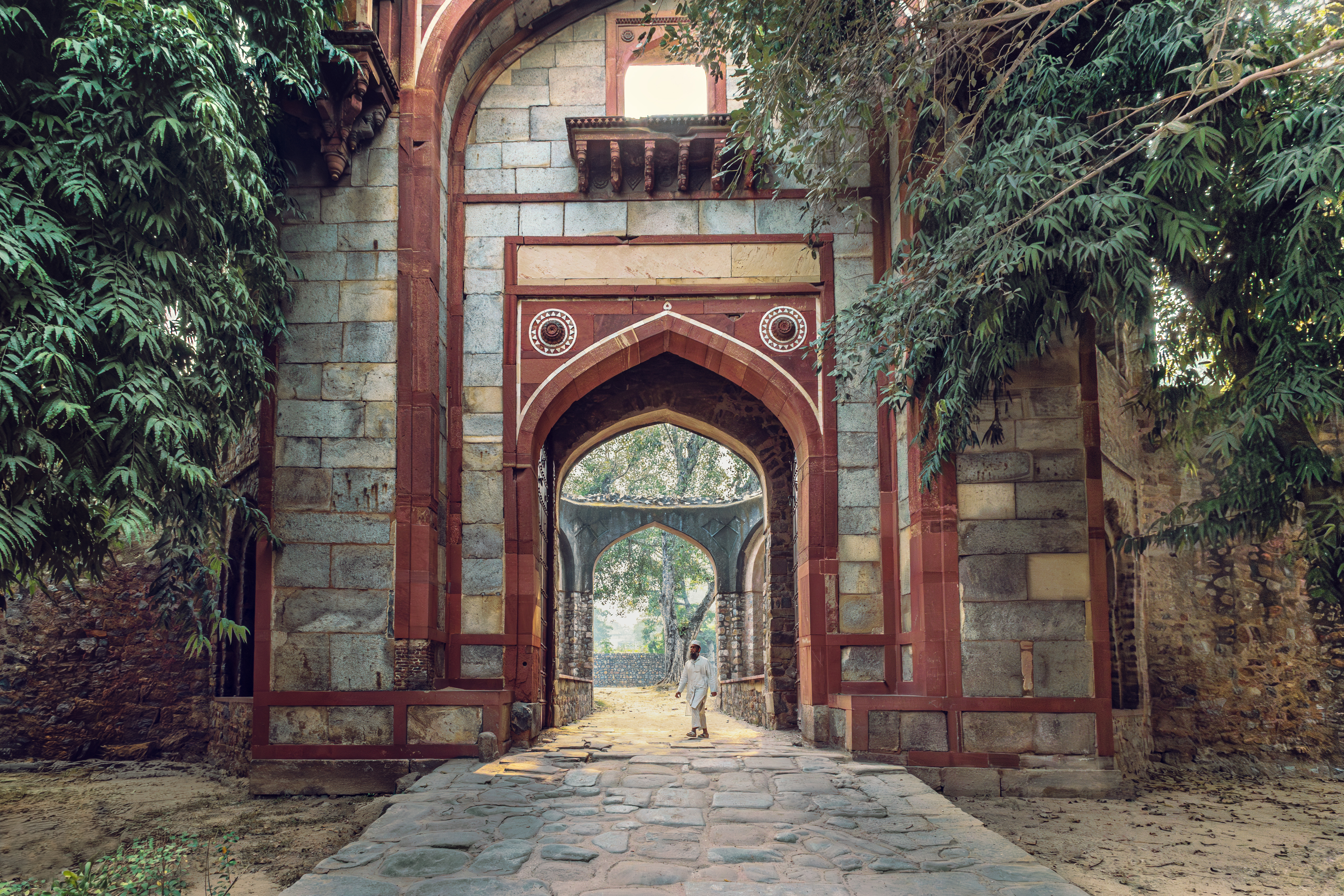 Before
 After
After
Jo, India. "A better understanding of colour theory, and it has given me more confidence in my editing."
Six weeks. Two phases.
Make the editing yours.
The first four weeks are about the work itself: your editing, your color, your visual identity. By the end of week four, you'll have a process that's yours, repeatable, intentional, built around the vision you have for your photos. Work you're proud of.
Share your vision and be noticed.
Then the last two weeks are about sharing it. Because photos, no matter how good, are not doing their job if no one sees them. There's a full system behind getting your work in front of the right people, and turning that into real opportunities.
Build a process that gives you control
The basics of photo editing: Camera Raw, Lightroom, Photoshop, and the philosophy behind the whole approach, intention before sliders. Why you make a move matters more than how. Week 1 is about building a clear, repeatable workflow and understanding what it's actually for. By the end of this week, you have a solid foundation to build on.
Stop guessing with color
Color is the one thing most photographers were never taught. Week 2 goes deep into advanced Photoshop technique and color theory built specifically for photographers: how to analyze what's already in your photo, choose a color harmony that serves your intention, and apply it with precision. This is where editing stops feeling random.
From raw file to finished image
Three complete edits from start to finish: a day photo, a night photo, and a day-to-night transformation. You see the full process, then apply it to your own photos. The goal is to start building your own workflow.


Find the visual identity that's already in you
Style is something you build, through a specific process, in a specific order. Week 4 covers a 5-phase roadmap from confusion to a clear visual identity: reference mapping, identity work, integration, and what makes a style actually stick.
Most photographers spend years stuck in phase one without knowing there's a path out. This is the week we map it.
Share your vision with the people who need to see it
You've spent four weeks building work you're proud of. Now it's time to put it out there, because everyone wants their photos to be noticed, and beautiful work alone isn't enough without a system behind it.
Week 5 is five sessions on building an Instagram presence that actually reflects your work. The goal is to be findable by the right people, with a consistency system you can sustain for a year and a real understanding of what your analytics are telling you.
I was at 2,000 followers for years. I applied a system and went to 40,000 in a few months. Week 5 is built on that.
Build the portfolio that opens doors
This week is about building a professional portfolio that creates real opportunities. Getting paid comes later. Who to contact, what to offer, how to pitch, how to follow up, how to deliver. The full system for landing your first brand collaboration and turning it into something more.
I started collaborating with brands when I had 300 followers. Your follower count isn't the issue. Knowing the system is what makes the difference.
5 spots at a time · I'll reach out personally to confirm yours
What students say.
"What my work looked like before and after is like night versus day. This helped me converge on my own authentic style. I am much more confident in my own work and my own artistic expression."
Gray — @grayrockvisualadventures"For me, the best part was week 3, in which I learned a way to discover my own style and voice. Knowing Lou's workflow helped me refine mine. Probably the best photography course I've ever done."
Carlos"Her dreamy, gorgeous images brought me to the course, but the spot-on feedback, approach, and teaching made this worth every penny. I feel more confident moving forward to find my style."
Krista Boivie"The feedback videos were my favourite. I always got a helpful response to my questions. My confidence has been raised. I have zero regrets in joining this mentorship."
Hamood"This mentorship was seriously a game-changer for me. I feel way more confident working on my own projects now."
Vivek — @v2kworld"A hell of a lot closer than before — and I have a good process now to revisit and refine going forward."
Fiona — on reaching her goal of a dreamy, consistent, cinematic style"A follower commented that they saw the improvement in my photos and asked me what I had changed. It was the color theory training I had never learned that finally harmonized my work."
Tushar"In the past most of my editing was trial and error and based on instinct. By doing your course I have a better understanding of colour theory — and it has given me more confidence in my editing."
Jo Costanzo"I wanted to write to say thank you for what your teachings have continued to generate over time, well beyond the course itself. Without that experience, and without the conversations and feedback we shared together, I would never have found the confidence to do what I've done. Over the past year, everything I learned with you has slowly taken shape — giving me the courage to put myself out there and eventually organise my own exhibition: The World Is Still Beautiful, Despite Everything. Thank you again for the impact you've had on my journey."
Floriano — @photofloriano
5 spots at a time · I'll reach out personally to confirm yours
If any of this sounds familiar, keep reading.
You have photos you spent hours on, and you're still not happy with them, and you can't explain why. You edit by feel. Some results are good. Most are inconsistent. And there's no one to ask.
You want work that looks the way it did in your head when you pressed the shutter. You want a visual identity that's recognizably yours. And you want someone to actually go through your photos and tell you honestly what to do. Not what looks nice, but what to work on next.
- Your photos feel flat or boring, not what you imagined
- Your editing is inconsistent and you don't know why
- You don't have a visual style that's recognizably yours yet
- You want to share your work and have it noticed
- You're serious enough to show up every week for six weeks
The program works because of the structure and the commitment.
If you're not ready for that, we're not the right fit. I'd rather tell you that now.
- You want a self-paced library to watch whenever you feel like it
- You're not ready to submit your work and receive honest feedback
- You want a shortcut
- You're not willing to apply what you learn each week
- You only care about going viral
I'm Lou. French photo retoucher and travel photographer, based in New Zealand.
I worked in European studios as a retoucher for years before I ever called myself a photographer, retouching professional campaigns, getting honest feedback from mentors I could trust. I spent a long time hiding behind technical skills before I understood that the real work was learning to show my vision, not just execute someone else's.
I know what it's like to think you just don't have the eye for color. To believe that good photographers are born with something you weren't. That's what I thought too, until I realized it wasn't true at all. The photographers I worked with in studios weren't more talented. They were more intentional. They asked themselves what they were trying to convey before they touched anything. They analyzed before they edited. They sought honest feedback from people who understood the craft. Talent had nothing to do with it. These are all learnable things.
I know what it's like to be at 2,000 Instagram followers after years of showing up, not knowing what I was doing or why. I applied a system and went to 40,000 in a few months. I know what it's like to feel like your work will never stand out, and then slowly realize the thing holding you back had nothing to do with skill.
The process of figuring all of that out, editing with intention, finding a visual identity, building a presence that actually reflected my work, is exactly what this mentorship is built around. Not because it sounds good, but because I went through every phase of it, got stuck in every place you're probably stuck right now, and found a way through.
That's why I keep it to five students at a time. So I can actually pay attention to each photographer I work with.


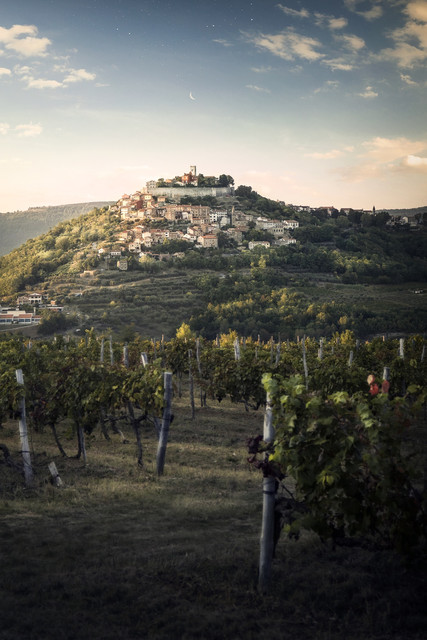
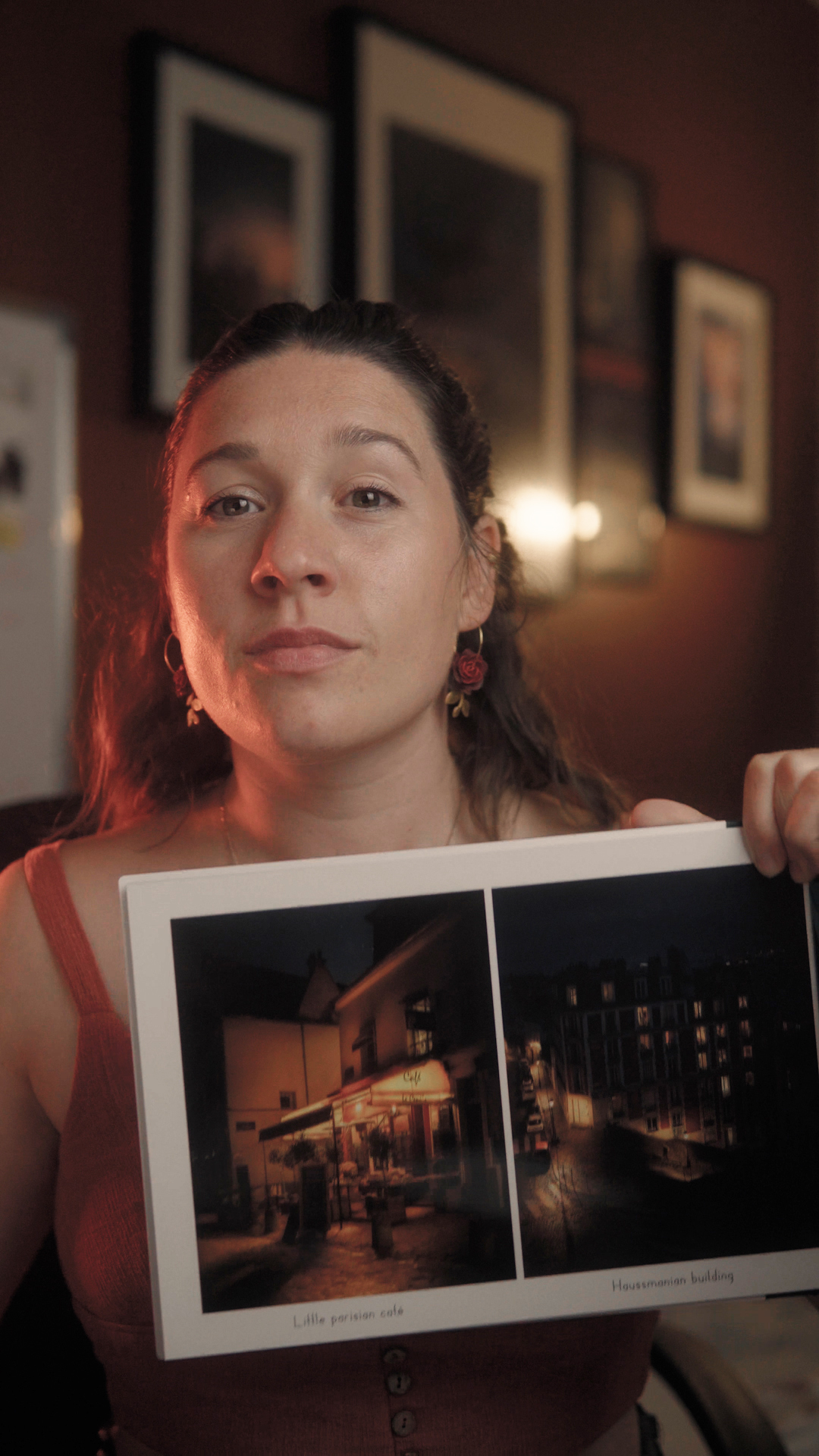
Travel Photographer Mentorship
Applications open · 5 spots at a time
or 3 × $419 · or 6 × $219 · payment options at checkout
- 6 weeks of structured training: editing, color, style, social media, professional portfolio
- 6 individual personal feedback sessions on your actual work (20–40 min 1:1 video, async)
- Direct access to me throughout on a dedicated platform
- Private community
- Lifetime access to all lesson recordings
Questions before applying? contact@louimagin.com
No. You need to be shooting, have a camera, take photos, and have access to Photoshop and Lightroom or Camera Raw. Prior editing experience isn't required. Students who had never opened Photoshop before joining have done well. What matters is commitment, not where you're starting from.
Camera Raw or Lightroom, and Photoshop. The color theory and style principles apply to any software, but the technical walkthroughs are built around these tools.
Each week you submit your edited photos. I record a personal video, typically 20 to 40 minutes, going through your work in detail and showing you specifically what's working, what isn't, and how to improve it in practice. It's async — no time zone constraints, and you can rewatch it as many times as you need.
A few hours: watching the lessons, applying them to your work, submitting. The commitment matters more than the exact hours. Showing up consistently every week is what makes it work.
The editing workflows are built around Photoshop, and Week 2 goes deep into Photoshop technique. You'll get the most out of this with both. The color theory and style principles apply regardless of software.
Yes, a private group for students currently in the program. I'm active in there throughout.
You have lifetime access to all lesson recordings. But the most important part of this program, your individual weekly feedback, runs for the six weeks of the program. That's the core of what you're here for, and it works best when you show up consistently. If life happens, you won't lose access to the lessons.
Yes. You can pay in full ($1,197), or split it into 3 payments of $419, or 6 payments of $219. You pick your option at checkout.
You join the waitlist, and when a spot opens up I'll reach out personally with a short form to make sure we're the right fit before you enroll. There's no pressure — I'd rather take the time to confirm it makes sense for you than have you join something that isn't. If you have questions before then, email me at contact@louimagin.com.